How Manual Retractable Awnings Really Work: A Simple Guide
TL;DR:
- A manual retractable awning works using a hand crank and precision gear system to extend and retract shade smoothly — without electricity.
- It helps reduce indoor heat gain, glare, and UV exposure, supporting lower cooling costs in this tropical climate.
- With fewer mechanical components, manual systems offer long-term durability, low maintenance, and dependable performance.
- Ideal for balconies, patios, cafés, shopfronts, and modern buildings that prioritise sustainable, energy-efficient shade control.
Have you ever wondered how a manual retractable awning can transform a sun-exposed balcony or shopfront into a cooler, shaded space within minutes — without relying on electricity?
In Malaysia’s hot and humid climate, shading is not only about comfort. It plays a direct role in reducing solar heat gain, protecting interiors from UV damage, and improving energy efficiency. Whether you manage a residential property or a commercial space, understanding how a manual retractable awning works helps you decide if it fits your daily operations, sustainability goals, and long-term maintenance expectations.
This guide explains the mechanism, components, and real-world applications clearly — so you can make an informed choice with confidence.
Why Many Malaysians Choose Manual Retractable Awnings
Although motorised systems are widely available, manual retractable awnings remain a popular and practical choice.
A Practical Shading Choice for Homeowners and Small Commercial Spaces
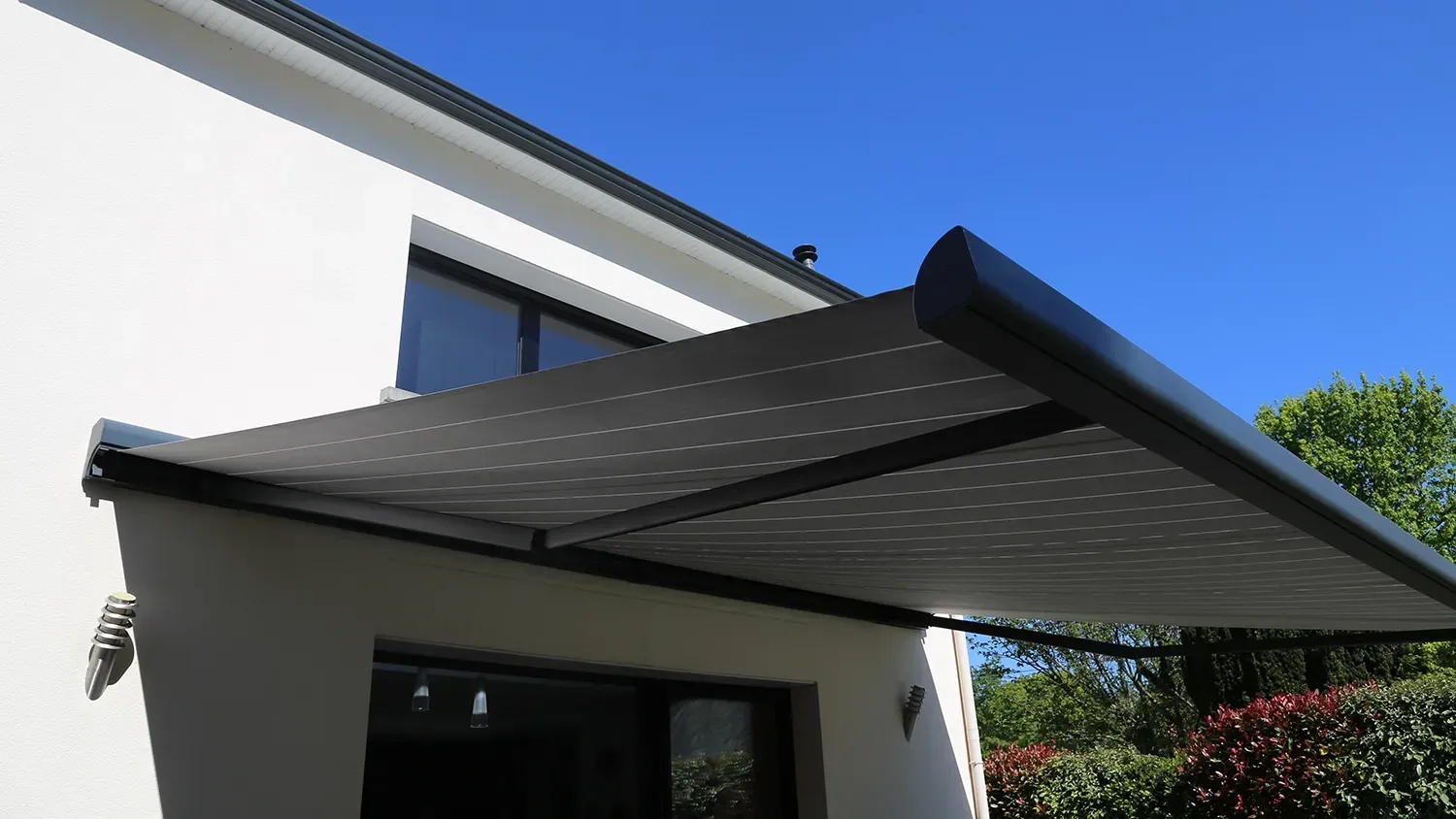
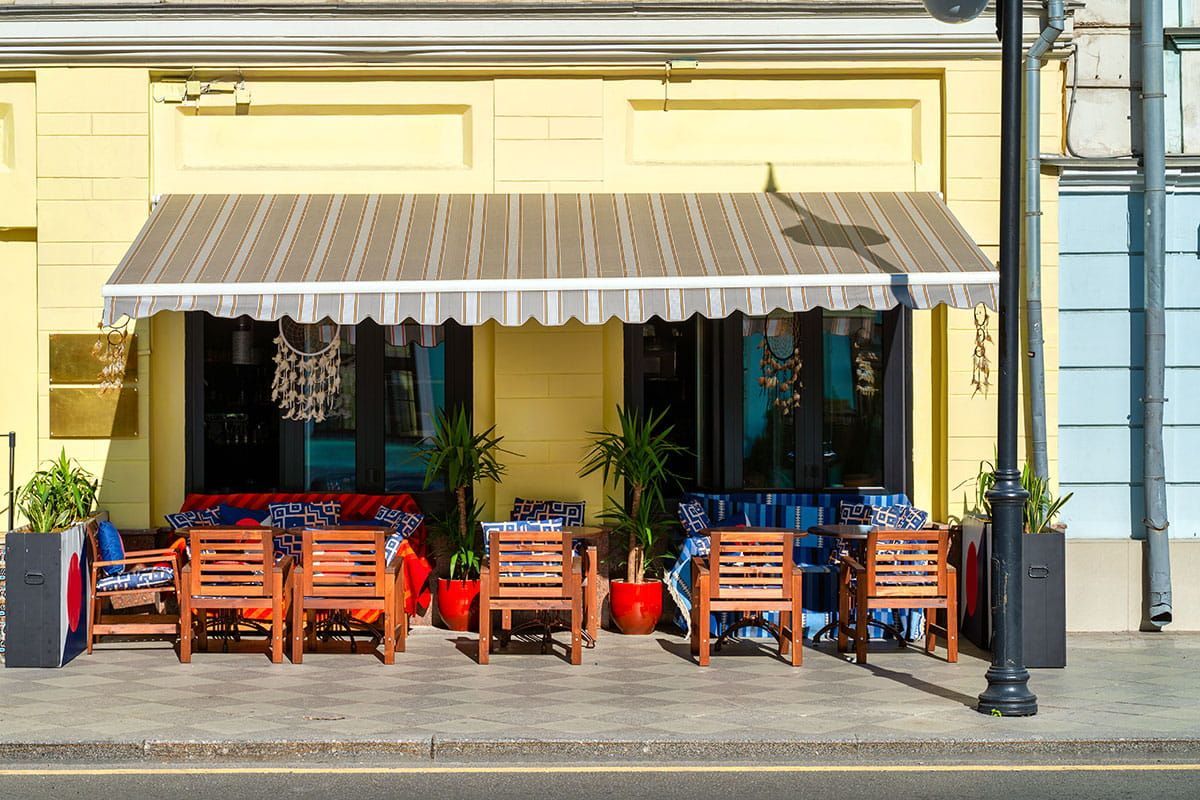
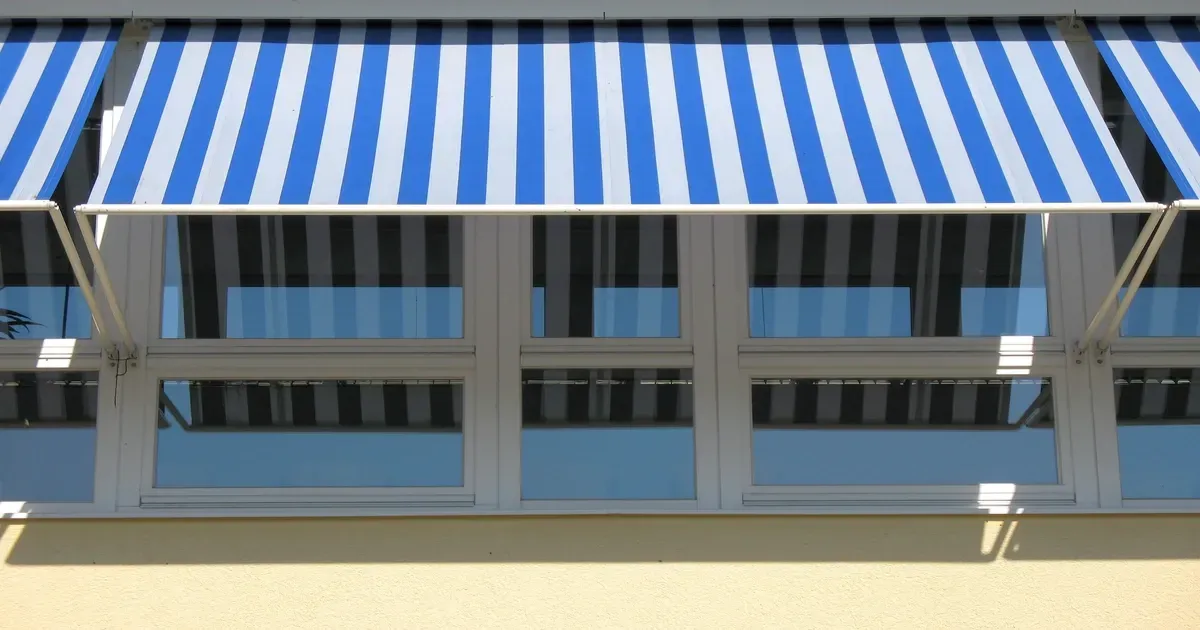
Manual retractable awnings provide adjustable shade without having to alter the building’s structure permanently. For high-rise balconies, landed property patios, cafés, and retail shopfronts, they offer flexible sun control throughout the day.
You can extend the awning during peak heat to block direct sunlight, then retract it in the evening to restore natural light and ventilation. This adaptability supports thermal comfort while preserving the building’s natural aesthetics.
Balancing Simplicity, Control, and Long-Term Reliability
Because manual systems operate without motors or electrical wiring, they consume no electricity. This makes them an eco-conscious shading solution for property owners looking to reduce operational costs.
By limiting direct sun exposure to windows and glass facades, retractable awnings help lower indoor temperatures and reduce reliance on air-conditioning. Over time, this contributes to energy savings and improved building efficiency.
Understanding the Manual Retractable Awning Mechanism
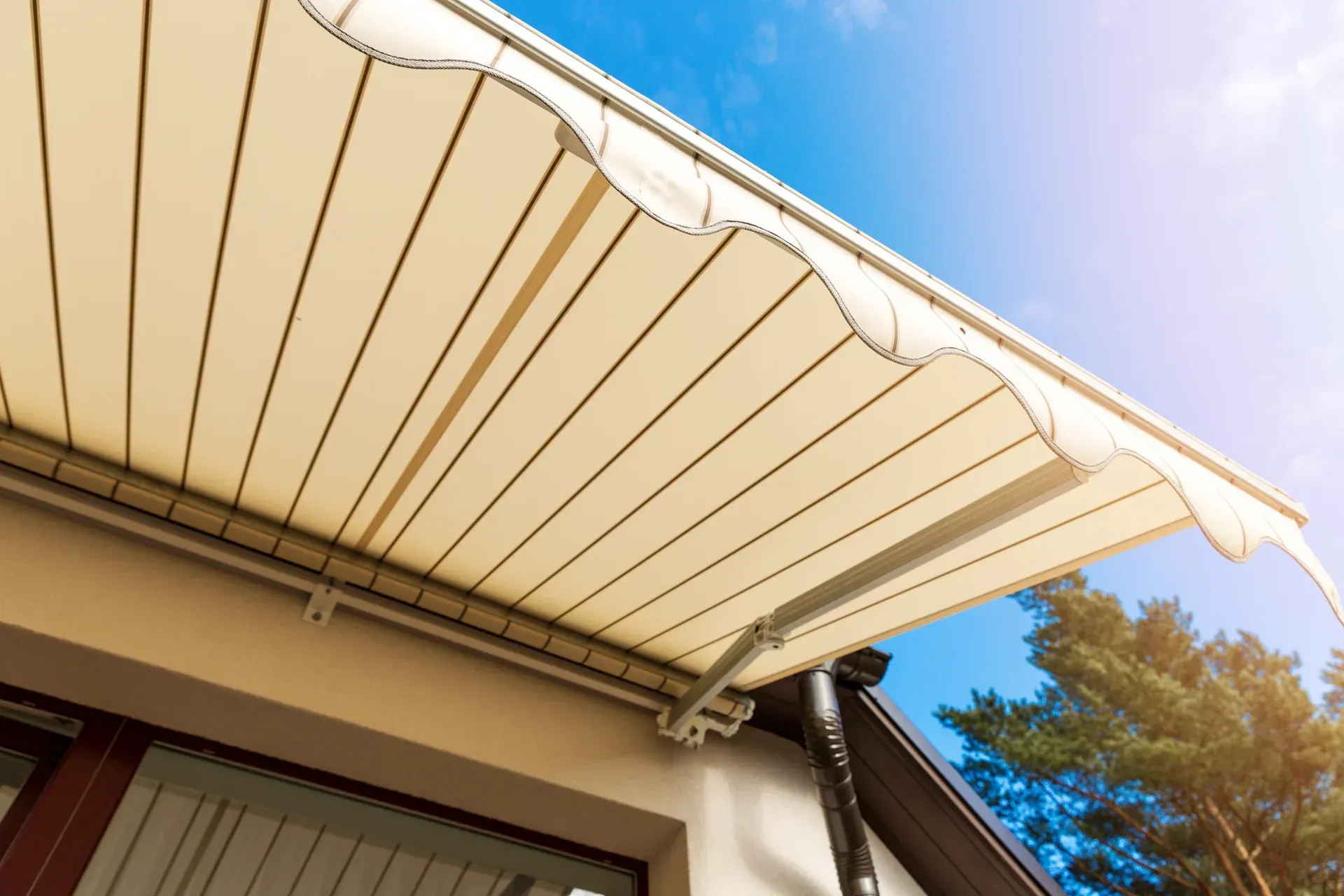
At its core, a manual retractable awning operates through a mechanical arm and gear system activated by a hand crank. While the motion appears effortless, each component works together to ensure smooth extension, balanced tension, and structural stability.
When correctly installed, the system distributes weight evenly across the frame, supporting safe and consistent operation.
The Role of the Hand Crank Awning System in Extending and Retracting
The hand crank connects to a gearbox located inside the roller tube. When you rotate the crank:
- The gearbox transfers rotational force to the roller tube
- The fabric rolls outward or retracts inward
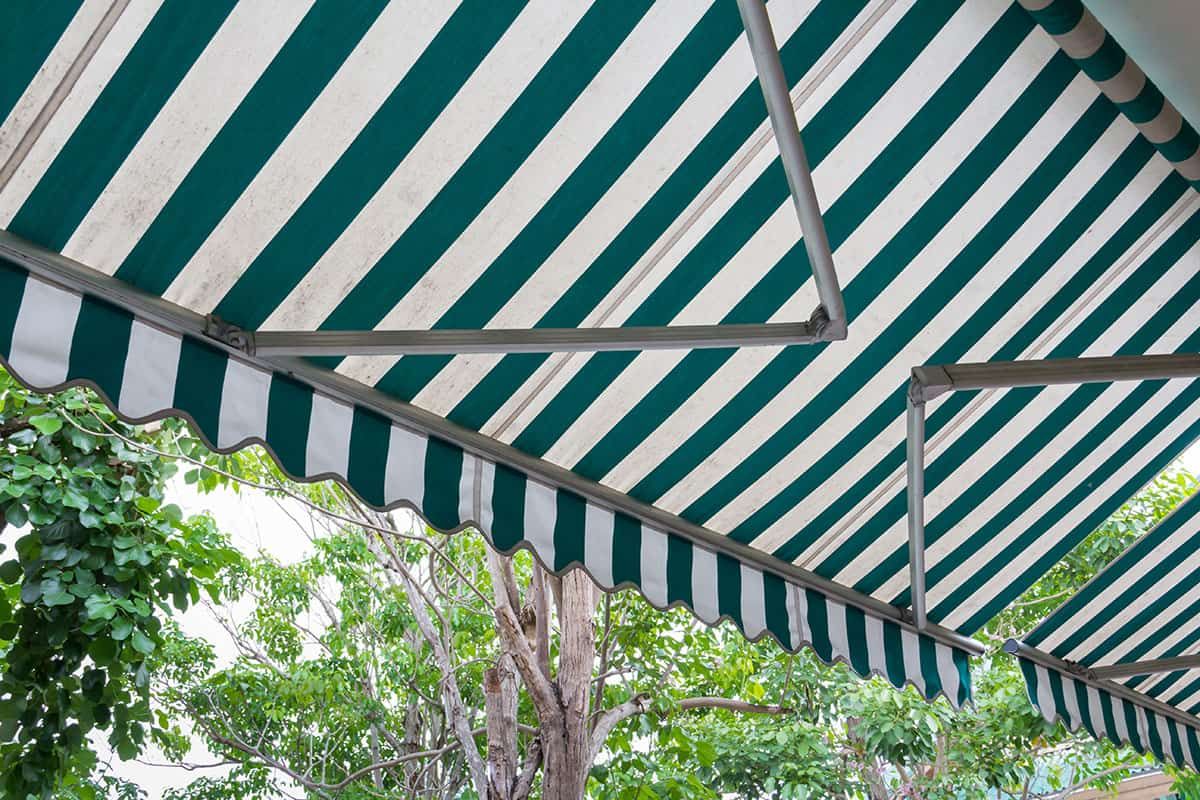
- Articulated arms extend simultaneously to support the canopy
- Tension remains balanced across the fabric surface.
This coordinated movement ensures steady extension without sudden strain on the frame.
Key Manual Retractable Awning Parts and Components You Should Know
Understanding the main components helps you evaluate quality and durability before installation.
Core components include:
- Roller tube
- Articulated arms
- Gearbox mechanism
- Hand crank handle
- Awning fabric.
Outdoor Awning Hardware Used in Manual Awning Systems
Performance and longevity depend heavily on structural integrity, especially in tropical weather conditions.
Supporting hardware includes:
- Mounting Brackets: Secure attachment to walls or ceilings.
- Steel or Aluminium Frames: Provide structural strength.
- Internal Tension Springs: Maintain proper canopy tightness.
- Heavy-Duty Fasteners and Anchors: Designed for concrete or brick installations.
Durable materials are particularly important here, where high humidity and sudden storms place added stress on exterior structures.
Thinking about a manual retractable awning for your balcony, patio, or shopfront? Chat with our shading specialist for practical advice, sizing guidance, and honest recommendations tailored to your space.
Step-by-Step of the Manual Awning Operation Process
Operating a manual retractable awning is straightforward, but doing it correctly protects the mechanism and extends lifespan.
Extending Your Awning Evenly and Safely
To extend your manual retractable awning, follow these simple steps:
- Insert the crank handle into the gearbox loop.
- Rotate steadily at a consistent pace.
- Avoid jerking or forcing the mechanism.
- Stop once the canopy reaches full extension and feels evenly tensioned.
Always ensure the area below is clear of obstacles.
Adjusting Angles and Securing the Awning for Proper Coverage
Many systems allow angle adjustments to encourage rainwater runoff during light showers. Proper pitch also enhances heat deflection during peak afternoon sun.
Retracting Your Awning to Protect It from Extreme Rain and Wind
To retract your awning during sudden storms, rotate the crank in the opposite direction at a steady pace. If rains or winds are especially heavy, it is advisable to close the awning all the way to protect both the fabric and frame from unnecessary strain.
Basic Cleaning and Maintenance for Smooth Daily Operation
Routine care keeps the mechanism smooth and efficient.
- Brush away leaves and debris weekly
- Clean fabric gently with mild soap and water
- Check mounting brackets and fasteners periodically
- Allow fabric to dry fully before extended retraction.
Consistent maintenance enhances durability and ensures optimal operation year after year.
Where Manual Retractable Awnings Work Best
A manual retractable awning suits both residential and commercial environments where flexibility and energy efficiency matter more than automation.
Residential Spaces
They are particularly effective for:
- High-rise apartment balconies
- Landed property patios and terraces
- Garden seating areas
- West-facing windows exposed to strong afternoon sun.
Commercial Properties
Manual systems are cost-effective shading and are often installed in:
- Café and restaurant outdoor seating
- Retail shopfronts
- Boutique hospitality spaces
- Small office entrances.
Get Professional Guidance from France Fabric on Manual Retractable Awnings
Selecting the right manual retractable awning goes beyond choosing fabric colour or width. Structural assessment, mounting position, sun direction, and building material all influence long-term performance.
At
France Fabric Awning, every awning solution is designed with careful attention to structural integrity, fabric durability, and suitability for the local climate. If you are exploring an energy-efficient, low-maintenance shading solution for your home or commercial property,
contact us for professional guidance tailored to your space.