5 Frame Checks Before a Fabric-Only Awning Replacement
TL;DR:
- Awning fabric typically lasts 5 to 15 years, but an aluminium frame can remain sound for decades longer, so replacing only the cover is often the more affordable route.
- Run 5 checks before ordering new fabric: mechanism operation, arm and roller bar alignment, wall bracket stability, rust at load-bearing joints, and cracks at stress points.
- If the frame fails on any check, fitting new fabric awning replacement over it will lead to premature wear, water pooling, or unsafe mounting, so fix the frame first.
Your awning cover may look finished, but the frame underneath might still be perfectly sound. The question is whether it can take a new cover or whether the whole system needs replacing.
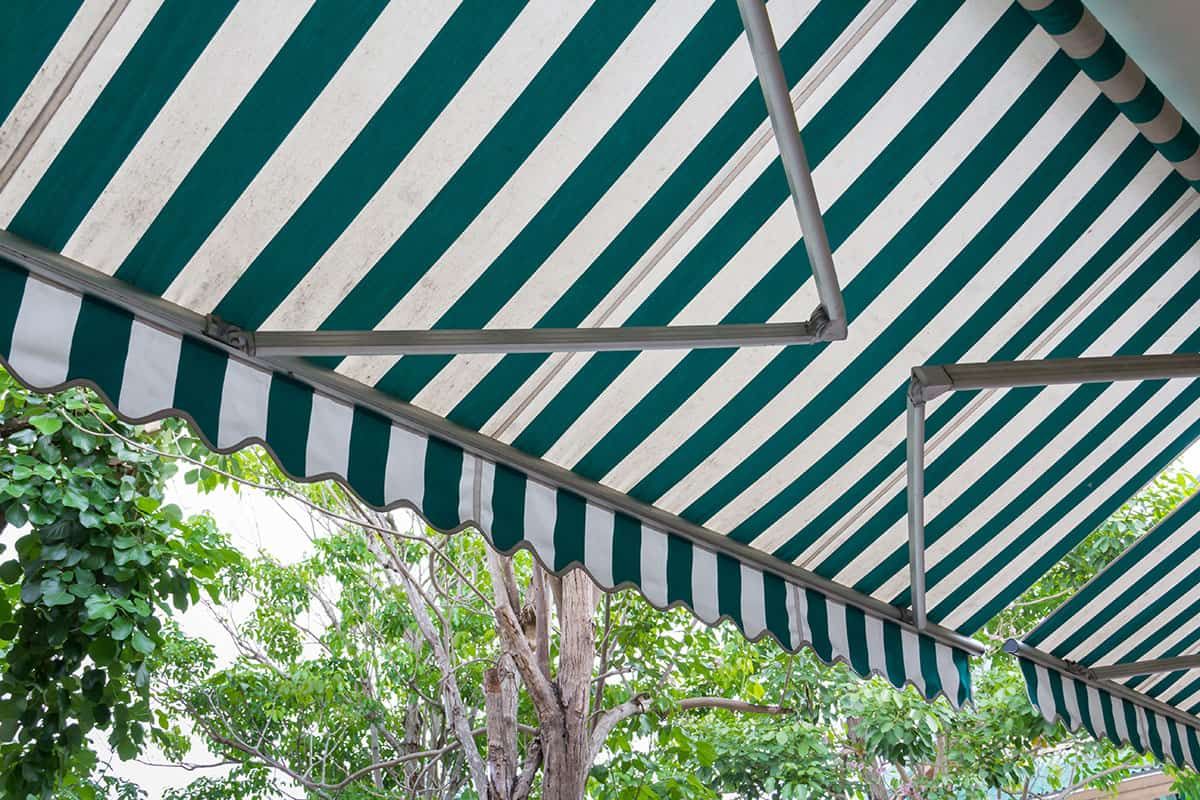
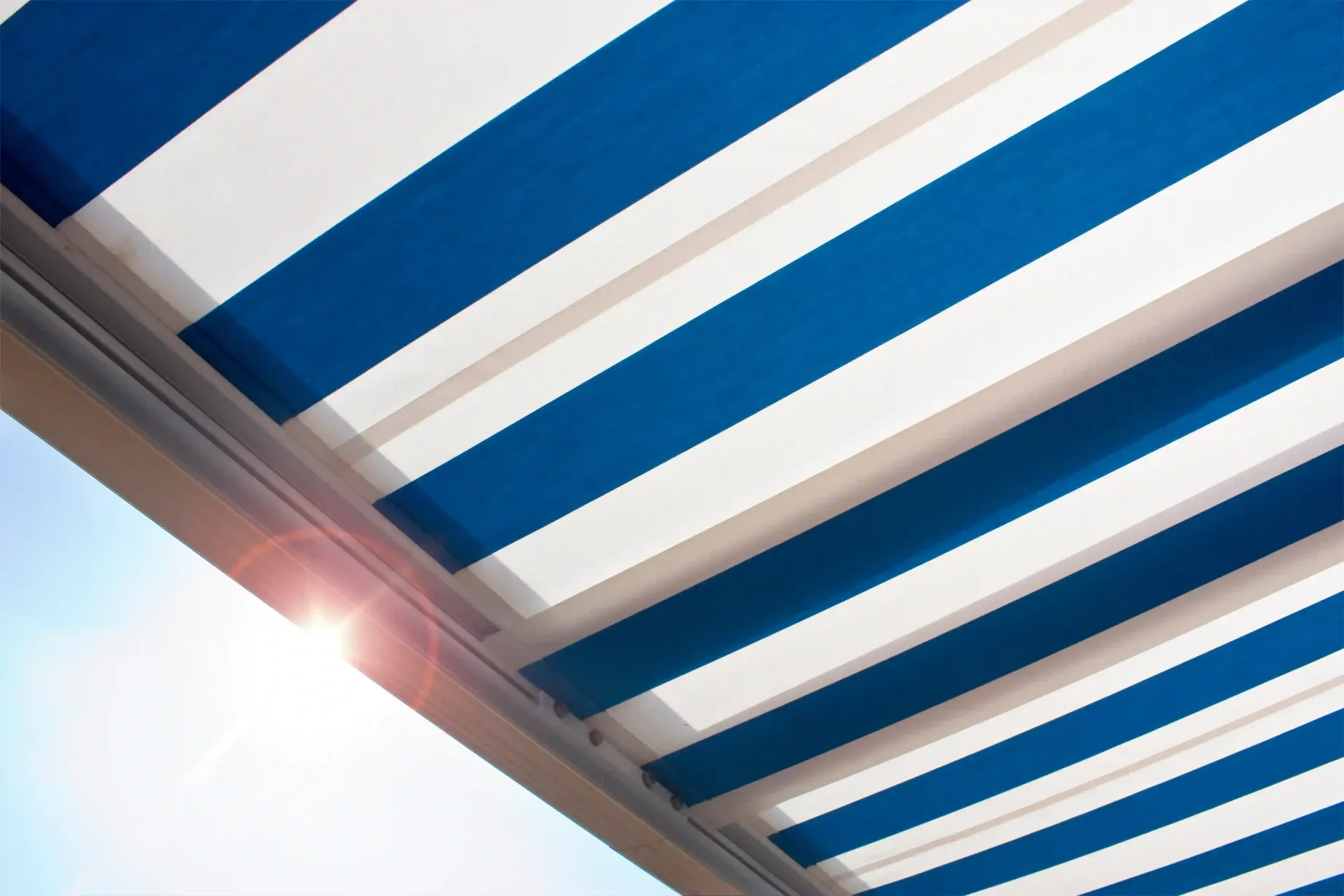
The fabric cover (sometimes called the canopy or awning cloth) is the part that fades and tears. The frame is the aluminium structure behind it: the arms, roller bar, wall brackets, and mounting hardware.
This guide walks you through 5 structural checks you can do at home. Each one tells you whether your frame passes or fails, so you know if an awning fabric replacement makes sense or if you are looking at a full hardware overhaul.
Work through them in order. By the end, you will have a clear picture of your awning frame condition and what to tell your specialist.
The 5 frame checks at a glance:
- Mechanism and motor operation
- Arm and roller bar alignment
- Wall bracket stability
- Rust and corrosion at load-bearing joints
- Cracks and metal fatigue at stress points.
Can You Replace Just the Fabric Without Replacing the Whole Awning?
Yes, if the frame is structurally sound, you can replace just the fabric cover and save significantly compared to a full awning replacement.
A faded, torn or mouldy cover does not always mean the whole awning needs to go. More often than you would expect, the fabric has simply worn out while the frame is still perfectly sound. Awning fabric typically lasts 5 to 15 years, while a well-maintained aluminium frame can remain structurally viable for decades longer.
When you recover instead of rebuild, you pay for the new cover and the fitting rather than an entirely new system. That is where the real awning replacement cost savings come from. Replacing just the fabric on a reusable frame can cut the overall cost significantly compared to a full awning replacement. But you only save if the frame is up to it.
These 5 checks help you find out before you spend. If the frame passes, you save. If it does not, you avoid wasting money on a cover that will fail because the frame underneath was not ready.
How to Inspect Your Awning Frame by Testing the Open and Close
If the awning extends and retracts smoothly with no grinding, stalling, or unusual noise, the mechanism and motor pass this check.
Extend and retract your awning a few times and listen for anything unusual. If it hesitates, grinds, or the motor sounds strained, that points to a mechanical issue that needs resolving before any new fabric goes on.
Common causes include:
- Faulty sensors that fail to trigger retraction or extension
- Worn motors that strain or stall under normal use
- Debris build-up on the track that blocks smooth movement
A qualified retractable awning specialist can repair or replace all of these.
Note any rough spots or sounds so you can describe them when you book a professional assessment. Smooth awning operation is a strong sign that the mechanical components are still reliable before the fabric replacement.
What to Check on Your Awning Arms and Roller Bar
The arms should run straight, and the roller bar should sit level. If either is bent or misaligned, the new fabric cover will not sit taut. Stand to one side and look along each folding arm and the roller bar. If they are straight and level, your frame has retained its shape despite years of exposure to Malaysia's sun and rain. Any visible bend or misalignment: sagging, uneven gaps, or a roller bar that sits at an angle, means adjustment or component replacement is needed before new fabric goes on.
An experienced awning technician can source individual components, including arms, roller tubes, and centre supports, allowing damaged parts to be replaced without scrapping the entire frame. Take a photo of anything that looks off so a specialist can confirm whether it is cosmetic or structural.
Are Your Awning Wall Brackets Structurally Sound?
If the brackets and anchors stay firm with no gaps, cracking, or movement when you push the frame, the mounting points are still solid and safe for a new fabric cover.
Give the frame a firm push where it meets the wall. Loose brackets are unsafe because they carry the full wind load that a new cover will catch. A secure awning installation depends on these fixings being completely stable. Mark any bracket that moves and flag it to your awning specialist before any new fabric is fitted.
Not sure whether what you are seeing is cosmetic or structural? France Fabric Awning inspects on-site and confirms what needs fixing before any fabric cover goes on. Getting a clear answer early can save you time and money.
Book your inspection.
Could Rust or Corrosion Rule Out a Fabric-Only Awning Replacement?
Rust at load-bearing joints (pivots, elbows, and fixings) means the frame's structural integrity is compromised, and a fabric-only replacement is unlikely to be suitable until those parts are repaired or replaced.
Look closely at every pivot, elbow and fixing on your powder-coated awning frame. Wipe off any built-up grime first so you can tell the difference between a surface stain and genuine corrosion, then use the table below to assess what you find.
| What You See | What It Means | Can You Re-cover? |
|---|---|---|
| Powder coating intact, no discolouration | The frame is well protected | Yes, frame passes this check |
| Light surface staining or minor discolouration | Cosmetic issue, often cleanable | Yes, once cleaned and assessed |
| Surface corrosion on non-load-bearing areas | Treatable with sanding and recoating | Likely, after treatment |
| Rust at pivot joints, elbows, or fixings | Structural integrity compromised | No, the affected parts need replacing first |
What Cracks and Metal Fatigue at Stress Points Tell You About Your Frame
Hairline cracks, flaking coating, or visible bending at stress points mean the frame is fatiguing under load. New fabric will not fix a structural weakness, and fitting it could make the problem worse.
At this stage, awning frame repair or replacement of the affected components needs to happen first. If anything at these joints looks doubtful, hold off on ordering fabric and have a specialist inspect before you commit.
A reputable awning provider will cover frame components as well as fabric, so you can address structural issues and retractable awning maintenance in the same visit.
Book Your Awning Fabric Replacement with France Fabric
If your frame passes all five checks, recovering it is likely the smarter and more affordable option. Even if it fails one or two, the issues may still be repairable without replacing the entire awning. Our team can inspect the frame and recommend the best course of action.
France Fabric Awning is a Shah Alam-based awning manufacturer and supplier with over 10 years of experience across Malaysia. Our team can inspect your frame on site and determine whether it is safe to reuse. If suitable, a new cover can be fitted using durable materials such as Recasens acrylic fabric, which is fade-resistant and designed for Malaysia’s sun and rain.
If the frame, motor, sensor, or structural components need attention first, we will let you know upfront. All our awnings come with a 5-year warranty on materials and workmanship.
Contact us today to book an inspection and arrange a durable awning fabric replacement.