End Window Leak Problems with Fixed Awnings
TL;DR:
- Window leaks often persist because internal fixes do not address external rain exposure.
- Fixed awnings reduce rain impact at the source, helping to protect vulnerable window joints and frames.
- Correct positioning and installation are critical to prevent long-term water intrusion.
- External shading also limits UV and heat damage, improving the durability of window materials.
No one likes waking up to water stains creeping across a wall or finding damp patches around a window frame after heavy rain. In Malaysia’s unpredictable weather, this is a common frustration for many homeowners.
When rain is driven by wind or falls at an angle, it often finds its way through weak sealing points around windows. Over time, even well-constructed homes begin to show signs of water intrusion, especially in areas with repeated exposure.
A properly designed
fixed awning by a local manufacturer can play a key role in preventing these recurring issues, especially when window exposure is left unprotected.
Why Window Leaks Keep Happening Despite Your Best Efforts
Even after sealing gaps or repainting affected areas, window leaks often return during heavy rain. This happens because water pressure and wind-driven rain can force moisture into even the smallest unprotected openings around the frame.
Over time, repeated exposure also weakens surface materials, making the problem more persistent and harder to control. In most cases, the issue stems from ongoing external exposure rather than internal failure
The Frustrating Damage Cycle
Water intrusion tends to follow a repeating pattern: moisture enters, materials absorb it, surfaces weaken, and the next rainfall worsens the issue.
This cycle is particularly common in homes without external weather protection above window openings, allowing rainwater to continuously strike the same vulnerable points.
Why Interior Fixes Always Fail
Fixing leaks from the inside rarely solves the actual problem because the source of water entry remains untouched.
- Sealants degrade when exposed to repeated moisture pressure
- Paint and plaster only mask surface damage temporarily
- Internal waterproofing does not block wind-driven rain
- Moisture often re-enters through surrounding wall joints
- Hidden cracks behind finishes remain untreated.
How Fixed Awnings Finally Stop Water Problems for Good
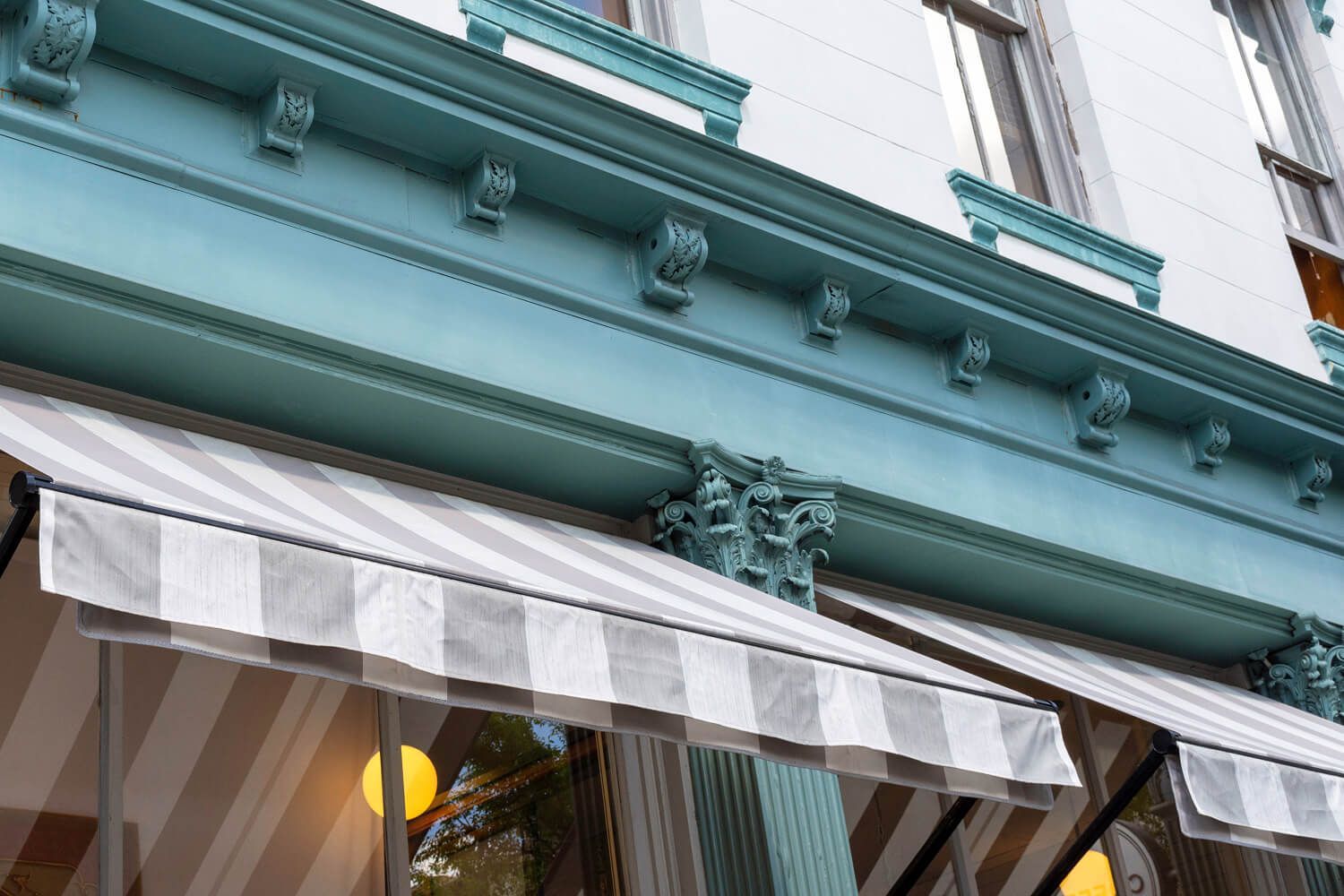
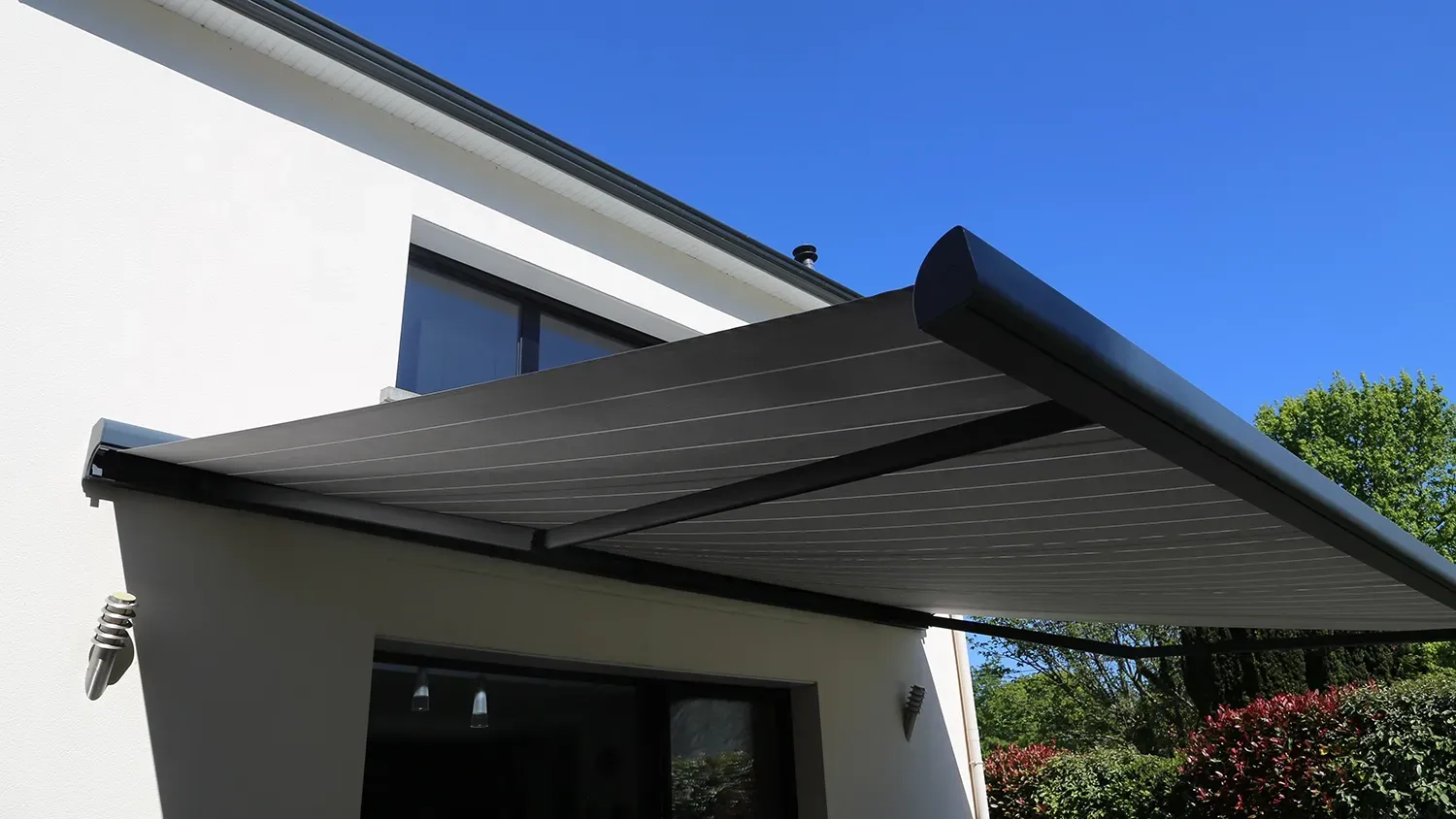
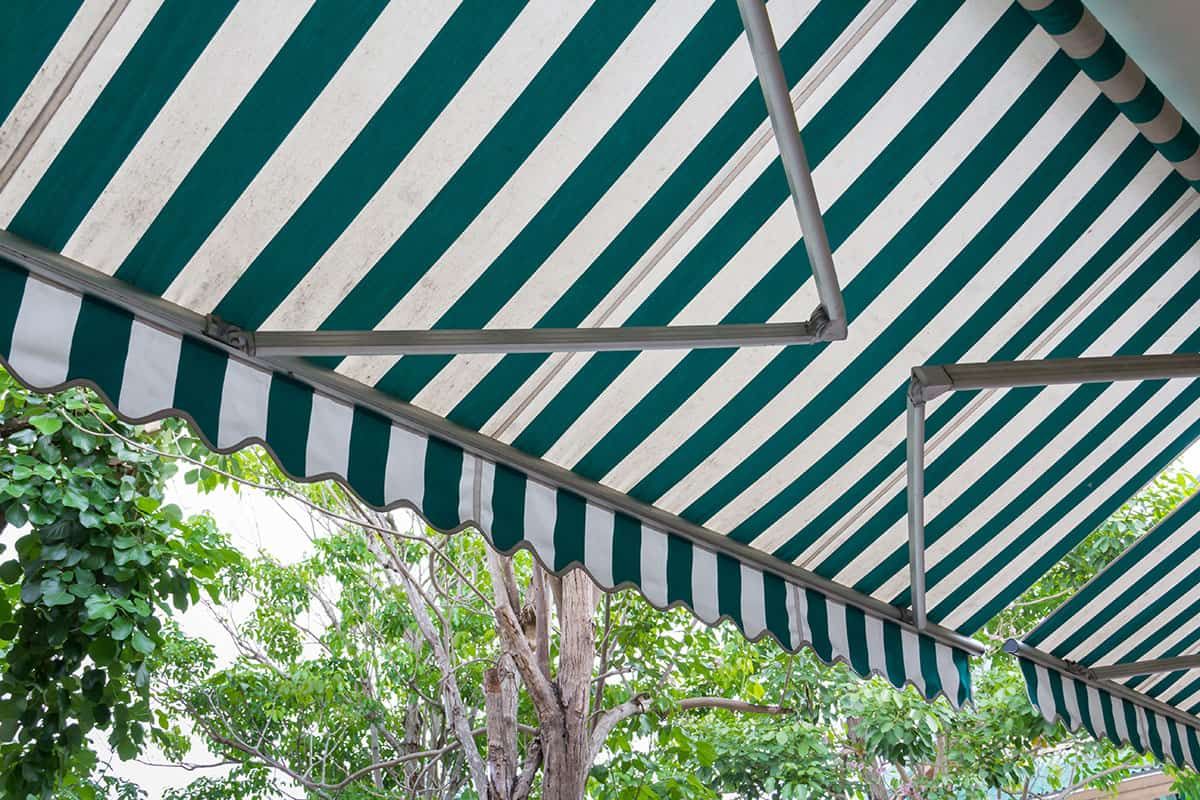
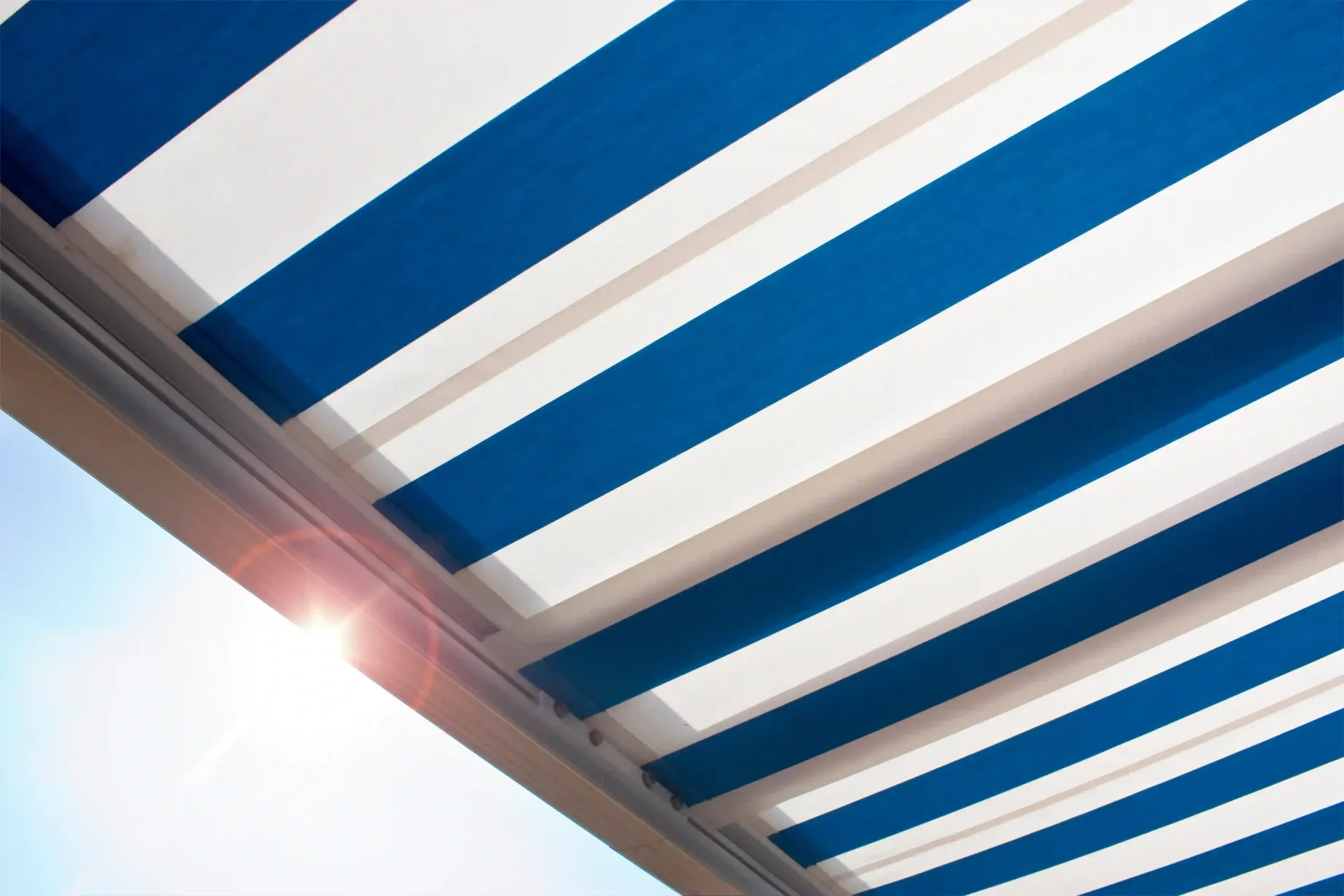
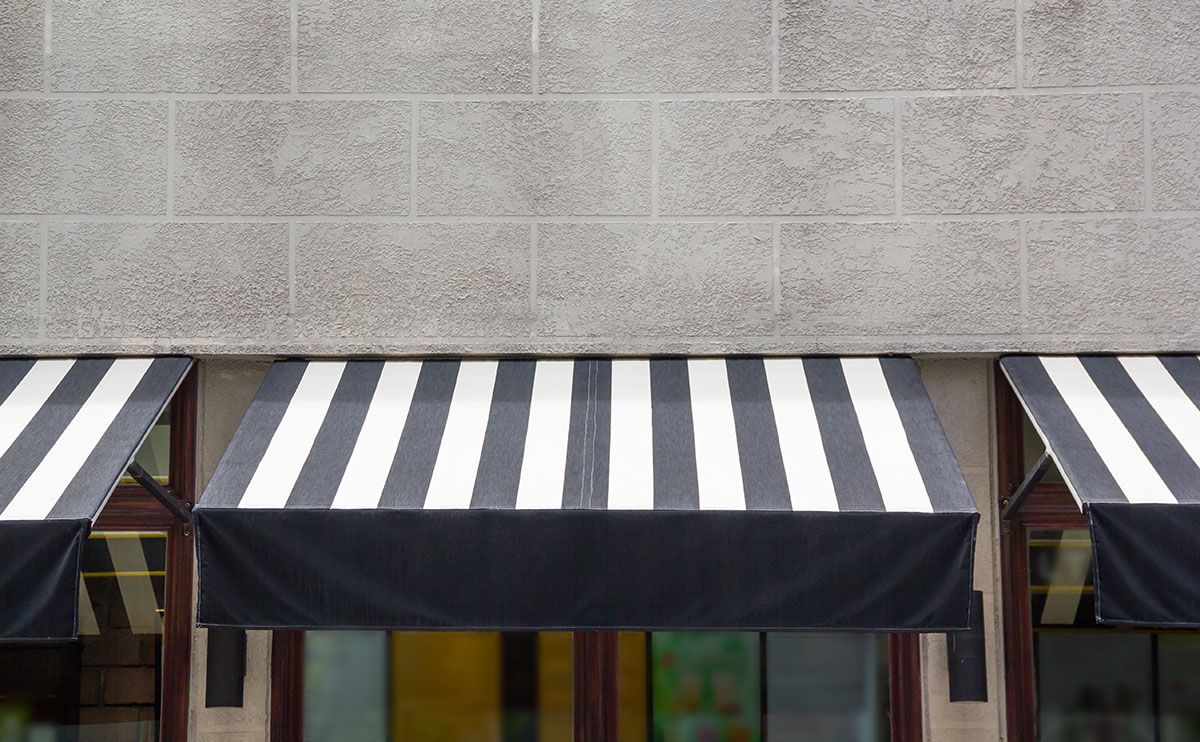
When properly installed above windows, fixed awnings act as a physical barrier that reduces direct rain impact. This shifts water flow away from vulnerable areas, significantly reducing leakage risk.
Install-and-Forget Protection That Actually Works
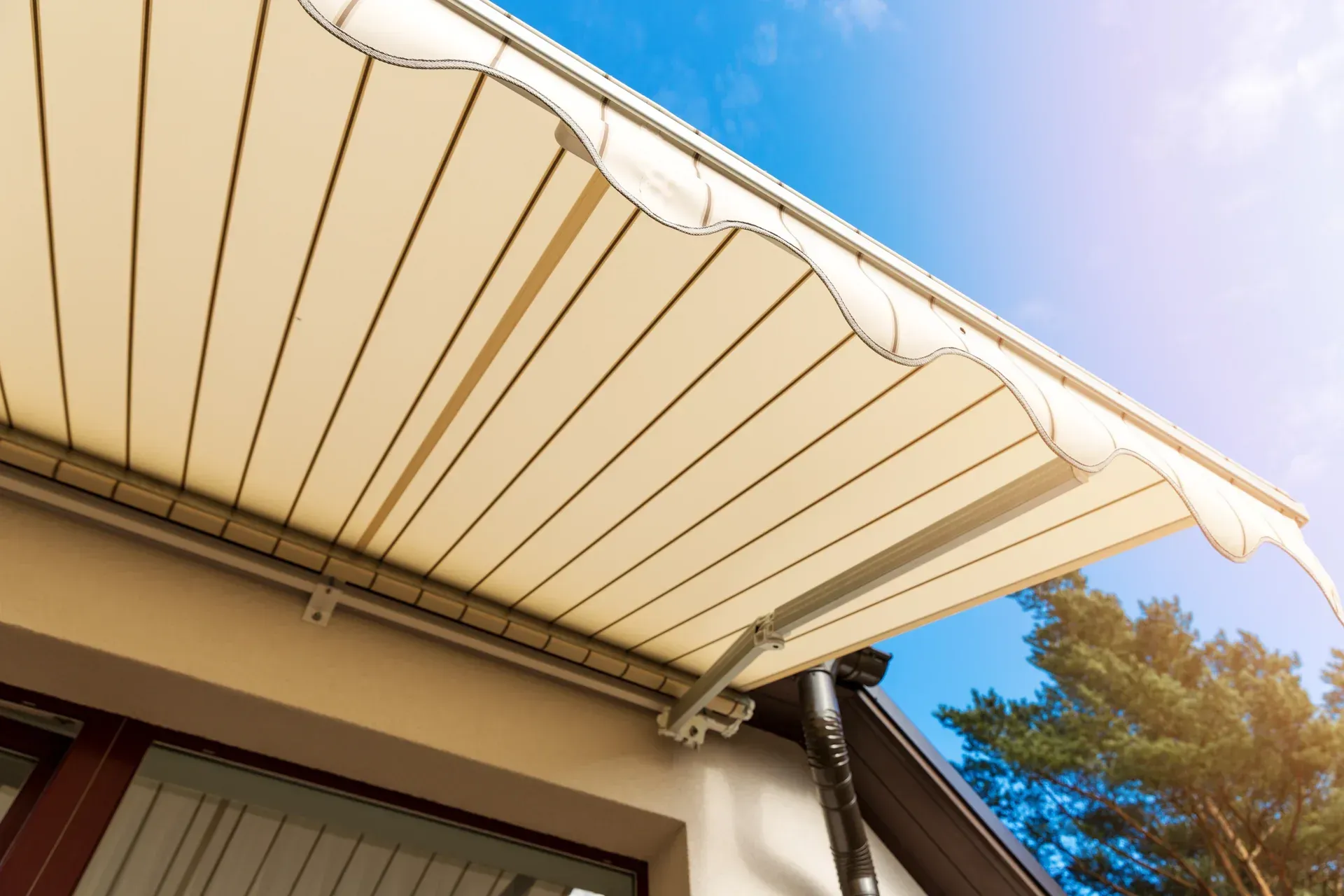
A fixed awning provides continuous external coverage without the need for adjustment or maintenance-heavy mechanisms.
- Shields window frames from direct rainfall
- Reduces pressure from wind-driven rain
- Protects sealant joints from constant water exposure
- Minimises long-term structural dampness around openings
- Works consistently across changing weather conditions.
Complete Weather Protection
Beyond rain control, fixed awnings also help moderate other environmental factors affecting windows.
- Reduces UV exposure that weakens sealants over time
- Limits heat build-up around window glass and frames
- Helps prevent expansion and contraction damage
- Protects exterior finishes from weather staining
- Supports longer-lasting window performance with less maintenance.
Get expert advice on the right fixed awning design for your window layout and exposure conditions. Speak to a professional fixed awning manufacturer to assess your property and identify the most effective solution.
The Permanent Solution That Protects Your Investment
Window leaks are often treated as minor maintenance issues, but over time, they can affect wall integrity, interior finishes, and even electrical fittings near affected areas. A properly installed fixed awning by a professional manufacturer provides a more long-term approach.
Professional Installation Standards
The effectiveness of a fixed awning depends heavily on correct positioning, angle, and anchoring. Professional installation ensures the structure is designed to divert rainwater efficiently away from window surfaces.
A well-installed system also takes into account building height, wind direction, and typical rainfall intensity, all of which influence how water moves across exterior walls. Proper sealing at mounting points further prevents water from seeping through structural joints over time.
Long-Term Value and Peace of Mind
Instead of repeatedly repairing interior damage, a fixed awning addresses the exposure itself. This reduces the need for frequent repainting, patching, or sealant replacement.
Over time, this approach helps maintain the condition of both the window frame and the surrounding wall structure, especially in areas exposed to heavy seasonal rain.
Ongoing maintenance, repair frequency, and material fatigue are all reduced when vulnerable window areas are consistently protected at the source.
Stop Window Leaks Once and For All with France Fabric
If your windows continue to suffer from recurring leaks, damp patches, or water stains after every heavy rain, the issue may not be the window itself but the lack of proper external protection. Without a structured barrier, rain will continue to find its way into vulnerable points.
Here at
France Fabric Awning, our solutions are designed to help protect window areas from constant weather exposure through well-structured fixed awning systems. If you’re looking for a fixed awning manufacturer that understands both durability and local weather challenges,
reach out to us today for a solution that helps protect your windows from long-term water damage.